




Infrastructure project management, at its core, it鈥檚 about bringing complex, large-scale projects鈥攍ike roads, bridges, railways, and water systems鈥攖o life. Whether it鈥檚 developing highways or building renewable energy facilities, these projects are the backbone of modern society.
As exciting as that sounds, managing infrastructure projects is no small feat. It involves juggling budgets, schedules, permits, stakeholders, and sometimes even mother nature鈥檚 mood swings.
In this guide, we鈥檒l break down what infrastructure project management is, what it takes to excel in this role, and how you can set yourself up for success. And if you're already familiar with construction project management, you鈥檒l find that infrastructure projects build on some of the same principles but with a broader societal impact.
What is Infrastructure Project Management?
At its heart, infrastructure project management is the process of planning, executing, and monitoring large-scale public or private infrastructure projects. This could mean anything from building airports to managing water treatment plants. It鈥檚 more than just ensuring everything stays on schedule and within budget. It鈥檚 about creating systems that support communities, boost economies, and improve quality of life.
You might wonder, 鈥淚s it all about engineering?鈥� Not exactly! While engineering is a key component, an infrastructure project manager also plays a huge role in keeping all the moving parts aligned. Think of them as the conductor of an orchestra, ensuring each section plays in harmony, from contractors and architects to environmental consultants and government agencies.
Key Responsibilities of an Infrastructure Project Manager
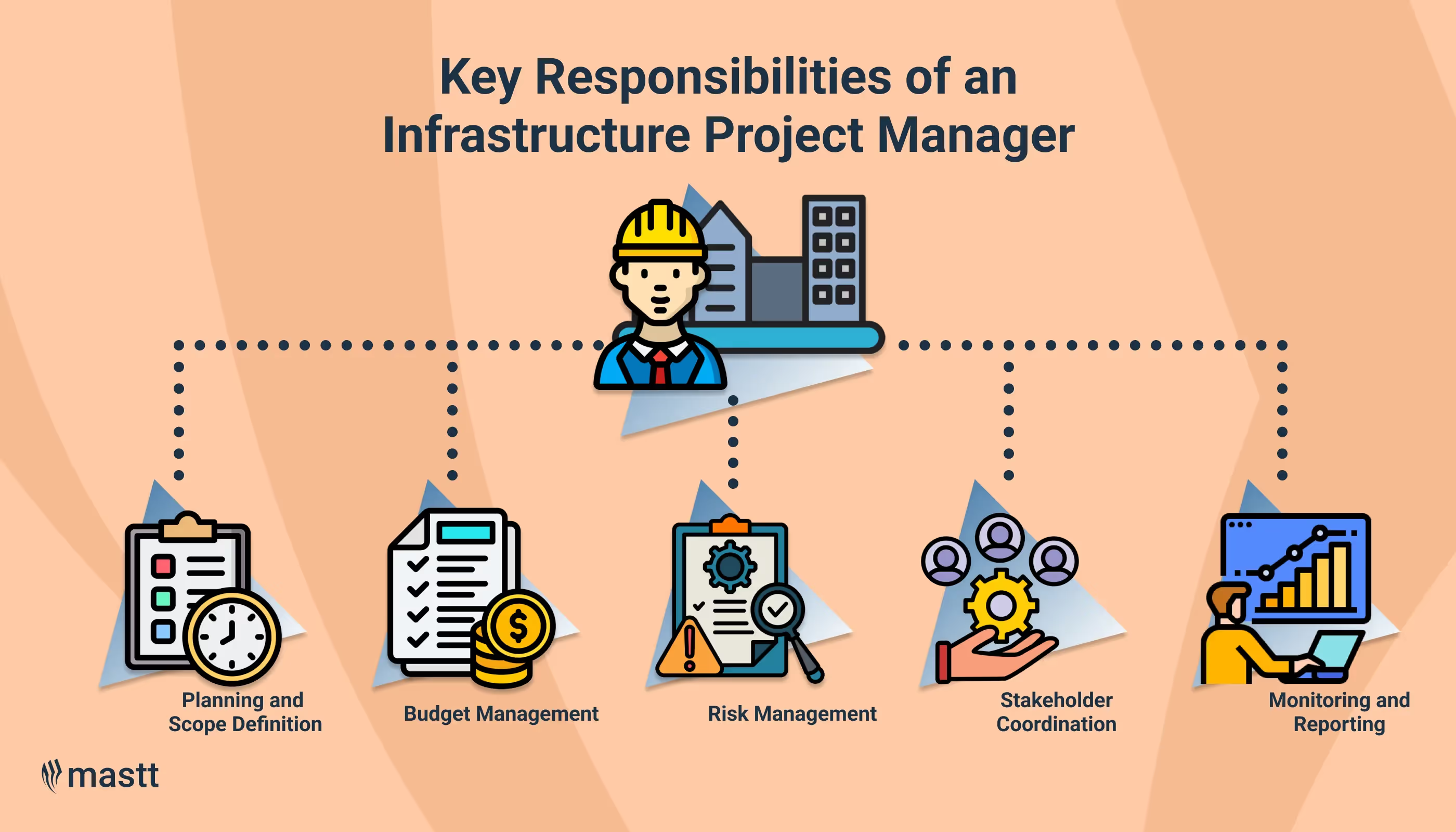
So, what exactly does an infrastructure project manager do? It鈥檚 a multi-faceted role that requires both technical expertise and people skills. Here are the primary tasks they manage:
Planning and Scope Definition
This includes defining project goals, identifying stakeholders, and setting clear expectations. A well-defined scope can prevent scope creep鈥攖hose sneaky, unexpected changes that derail progress. Dive deeper into scope management to learn how essential it is for successful projects.
Budget Management
Infrastructure projects are often expensive, and staying within budget is crucial. Project managers need to forecast expenses accurately, track spending, and find ways to cut costs without sacrificing quality. For insights on budgeting, visit our budgeting and forecasting guide.
Risk Management
With large-scale projects come risks, from environmental impacts to supply chain disruptions. A good project manager identifies risks early and creates mitigation plans.
Stakeholder Coordination
Infrastructure projects involve multiple parties, including government agencies, private contractors, and local communities. Balancing everyone's interests and keeping communication smooth is essential.
Monitoring and Reporting
Regular updates and reports keep stakeholders informed and help ensure the project stays on course. Learn more about this process in our article on monitoring and controlling in project management.
Why Infrastructure Projects Require Specialized Management
Managing infrastructure projects is different from managing other types of projects for a few reasons:
- Long Timeframes: Infrastructure projects often take years to complete, requiring long-term planning and commitment.
- Complex Regulations: Government permits, environmental laws, and safety codes can complicate the process.
- Community Impact: These projects directly affect communities and often require public consultations and feedback loops.
- Unexpected Challenges: Weather, political changes, or material shortages can throw even the best-laid plans off course.
This is why project management for infrastructure projects demands a mix of technical skills, leadership, and adaptability. It鈥檚 a career that鈥檚 as challenging as it is rewarding.
Tips for Success in Infrastructure Project Management
Let鈥檚 say you鈥檝e been tasked with managing the construction of a new bridge connecting two towns. Sounds easy? Think again! First, you鈥檒l need to coordinate with civil engineers to design a safe and cost-effective structure. Then, you鈥檒l work with local government officials to get permits approved (which might involve some town hall debates about aesthetics or noise levels).
Once construction starts, you鈥檒l face new challenges鈥攑erhaps a supplier is late delivering materials, or a surprise weather event causes delays. Your job is to adjust timelines, communicate updates, and keep the project moving forward without breaking the budget.
So, if you鈥檙e interested in becoming an infrastructure project manager, here are some tips to help you succeed:
- Develop Strong Communication Skills: A big part of the job is coordinating with stakeholders and resolving conflicts. Clear, concise communication goes a long way. Check out how to write effective meeting minutes for smoother meetings.
- Embrace Technology: Tools like capital project management software, data analytics, and BIM (Building Information Modeling) can streamline your work.
- Stay Flexible: No two projects are the same, and unexpected changes are inevitable. Adaptability is key.
- Understand Regulations and Compliance: Familiarize yourself with local and national regulations relevant to the type of infrastructure you鈥檒l manage.
- Build a Strong Network: Knowing the right people鈥攚hether contractors, government officials, or suppliers鈥攃an make all the difference in a project鈥檚 success. For insights into managing your network, explore construction project management lifecycle.
Final Thoughts
Infrastructure project management is not just about roads, bridges, or power plants. It鈥檚 about creating solutions that benefit communities for generations. It鈥檚 a field that demands dedication, creativity, and resilience.
If you love solving complex problems, managing diverse teams, and working on projects that leave a lasting legacy, this career could be a perfect fit. While the challenges are plenty, the satisfaction of seeing a completed project鈥攚hether it鈥檚 a new highway or a modern rail system鈥攎akes it all worthwhile.
Ready to manage your infrastructure projects more efficiently? Discover how 91爆料 can help streamline your processes, reduce risk, and keep your projects on track. Get in touch with 91爆料 today to learn more about how our platform can empower your project management journey!

Written by
Jacob Gibbs
Jacob Gibbs is the Customer Success Team Lead at 91爆料. He guides capital project teams through onboarding and helps them get the most out of 91爆料鈥檚 project management tools. With five years in customer success and a good track record supporting construction clients, Jacob brings a practical, hands-on approach to solving real project challenges.

Contributions by


Project Report Template
Download this FREE Project Report Template to track progress, highlight issues, and give stakeholders clear insights for faster, more confident decisions.

Walk Into Every Meeting With Confidence, Clarity, and Control
No one wants to look unprepared, blindsided, or uncertain in front of stakeholders 鈥� but that鈥檚 exactly what happens without 91爆料.
Start for FreeTrusted by the bold, the brave, and the brilliant across governments, Fortune 500s, and the world鈥檚 best in delivering the future
%2520on%2520Construction%2520Sites%2520_%2520Australia%2520(1).avif)
.avif)


.avif)